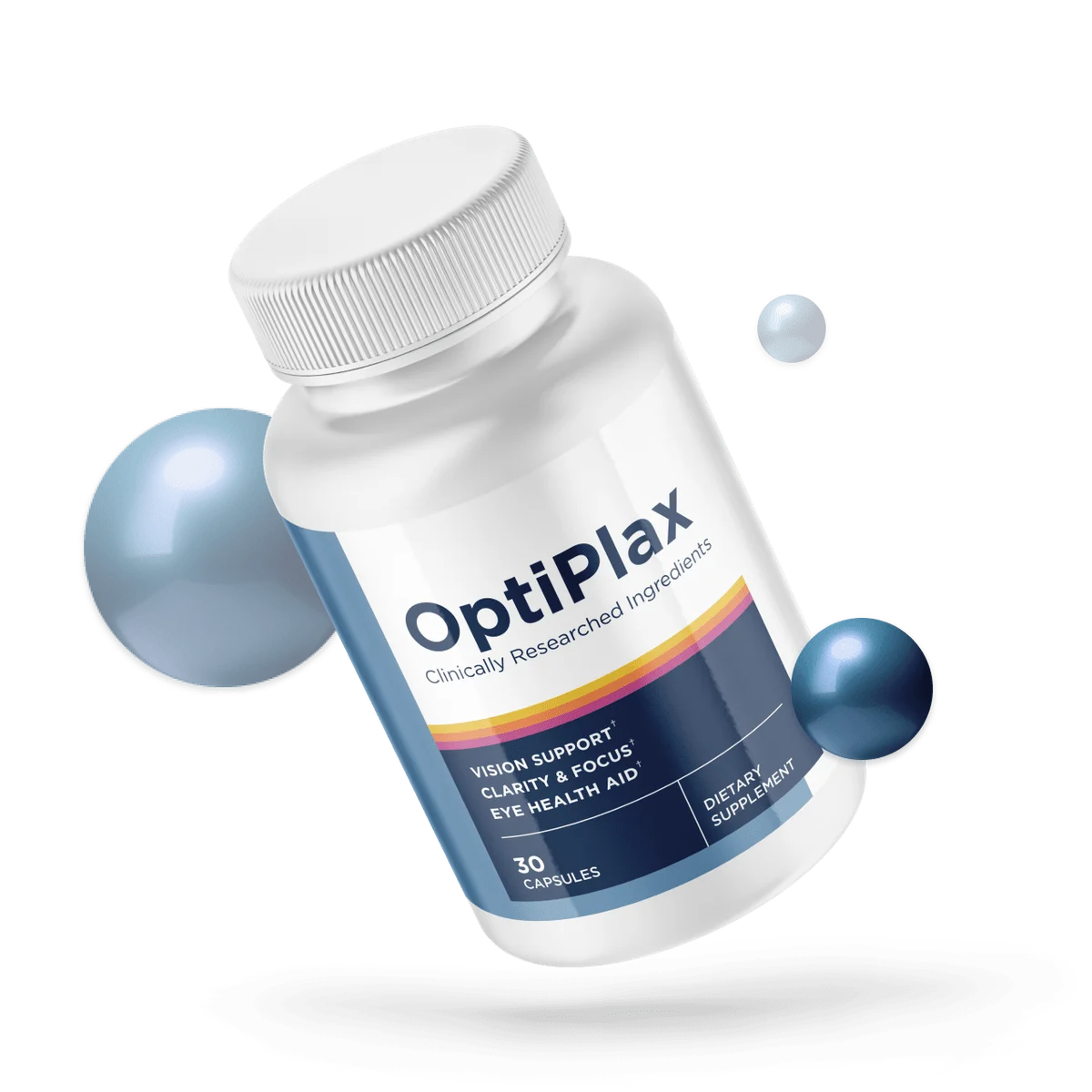
Category buyer guide · United States
Eye Health Supplement Buyer Guides
Macular function, retinal health, screen-strain support, age-related vision care
1Products reviewed
GMPFacility claims checked against manufacturer info
10Cited research sources
The eye-health category covers supplements positioned at macular function, retinal pigment density, and the gradual structural support of the aging visual system. Buyers in this category typically come in either because a routine eye exam flagged early signs of age-related macular changes, or because long hours in front of screens have produced persistent fatigue, dryness, and blurred near-vision they want to soften without escalating to prescription intervention. Our guides in this category prioritize formulations whose ingredient lists carry clinically studied doses — particularly lutein and zeaxanthin in the 10 mg / 2 mg ratio that mirrors the AREDS2 protocol — manufactured in U.S. GMP-registered facilities, with refund windows that genuinely accommodate the 90-to-180-day window needed for measurable changes in macular pigment optical density. We do not feature products that promise "20/20 vision in a week" or "reverse macular degeneration" — those framings reliably outrun what oral carotenoid absorption can deliver.
What to look for in eye health supplements
A credible eye-health formulation in 2026 anchors on the macular carotenoids: lutein at 10 mg, zeaxanthin at 2 mg, and ideally meso-zeaxanthin in trace amounts — this is the AREDS2-aligned ratio with the most robust trial evidence for macular pigment optical density and visual contrast sensitivity. Supporting ingredients to expect on a credible label include zinc at 25-80 mg, vitamin C at 250-500 mg, vitamin E at 15 mg / 22 IU, copper at 1-2 mg (to balance the high zinc dose), and increasingly astaxanthin at 4-12 mg for retinal blood flow and screen-strain support. Look for full per-ingredient dosage disclosure (not "proprietary eye blend"), a U.S. GMP-registered manufacturing facility, third-party testing for heavy-metal and microbial contamination, and a 60-to-180-day refund window. Bottle count matters: macular pigment density measurably shifts only after roughly 12 weeks of consistent dosing, so a one-bottle trial cannot reasonably evaluate a formula — a three-bottle commitment is the minimum honest trial window.
All Eye Health products (1)
Every product below has passed our four-screen audit: official-source verification, ingredient-dose disclosure, U.S. GMP-facility confirmation, and refund-window honesty.
What we screen out
We don’t feature eye-health supplements that promise to "reverse macular degeneration," "restore 20/20 vision," or "eliminate the need for glasses." Those outcomes are outside what oral carotenoid supplementation can deliver. We reject formulations that bury the actual lutein and zeaxanthin milligrams behind a "proprietary vision blend." We screen out copy that claims peer-reviewed AREDS2 results when the product itself was not formulated to AREDS2 specifications. Before/after vision-test screenshots without verifiable date stamps, filter-stacked influencer endorsements, and "ophthalmologist-formulated" framing that doesn’t name the actual practitioner are immediate disqualifiers. We also flag products that quietly source lutein from synthetic rather than marigold-derived sources without disclosure — buyers with sensitivities deserve that information on the label, not buried in a FAQ.
Eye Health buyer FAQ
Direct answers to the questions buyers most commonly ask us about eye health supplements.
Do eye health supplements actually work?
For lutein, zeaxanthin, astaxanthin, and zinc at AREDS2-aligned doses the evidence is genuine but modest — multiple controlled trials show measurable improvements in macular pigment optical density and visual contrast sensitivity over 12 to 24 weeks of consistent dosing. They are a supportive layer, not a replacement for routine ophthalmologist visits, UV protection, and screen-time hygiene. Buyers expecting prescription-level visual acuity changes will be disappointed; buyers folding a daily dose into an existing eye-care routine usually notice gradual improvements in glare tolerance and near-vision endurance.
How long until I see results from an eye health supplement?
Glare-recovery and near-vision endurance changes are typically the first visible signals, around 6 to 12 weeks. Measurable shifts in macular pigment optical density follow at 12 to 24 weeks. Any product claiming first-week visual improvements is selling placebo rather than structural carotenoid accumulation.
What is the AREDS2 formula?
AREDS2 is the second Age-Related Eye Disease Study formulation researched by the National Eye Institute. The studied combination is 10 mg lutein, 2 mg zeaxanthin, 500 mg vitamin C, 400 IU vitamin E, 80 mg zinc, and 2 mg copper. Credible eye-health supplements either hit this exact composition or stay within the same dose range — variants that drop the carotenoids or under-dose zinc are not AREDS2-aligned regardless of marketing language.
Will an eye supplement help with screen fatigue?
Astaxanthin at 4-12 mg has the strongest evidence for screen-strain symptoms — eye fatigue, blurred near-vision after long screen time, and dryness. Lutein and zeaxanthin contribute by absorbing blue-wavelength light at the macula. Pairing supplementation with the 20-20-20 rule (every 20 minutes look 20 feet away for 20 seconds) and proper screen brightness produces better outcomes than either alone.
Can I take eye supplements with my multivitamin?
Yes in most cases, but mind the zinc total. AREDS2-style formulations include 25-80 mg of zinc, and standard multivitamins add another 10-15 mg. Long-term zinc intake above 40 mg per day in adults risks copper deficiency, so check both labels and consider taking them at different times of day if total zinc would exceed that threshold.
How do you decide which eye supplements to feature?
We require full per-ingredient dosage disclosure (lutein, zeaxanthin, zinc, vitamins C and E in milligrams or IU), U.S. GMP-registered manufacturing, a minimum 60-day money-back window, and copy that stays inside "support" language rather than promising restoration or reversal. AREDS2-alignment is a strong positive signal. Products that fail any of those screens do not get a guide written, regardless of affiliate commission.
Cited research
The buyer guidance on this page is informed by peer-reviewed research. Linked sources open in a new tab and are externally hosted by NIH, NCBI, and PubMed.
- AREDS2 Study — National Eye Institute ↗
- Lutein and zeaxanthin — NIH ODS Fact Sheet ↗
- Astaxanthin and visual function — review ↗
- Macular pigment optical density — review ↗
- Lutein — Wikipedia ↗
- Zeaxanthin — Wikipedia ↗
- Astaxanthin — Wikipedia ↗
- Age-related macular degeneration — Wikipedia ↗
- NIH ODS — Vitamin C (Health Professional) ↗
- NIH ODS — Zinc (Health Professional) ↗